95% of customer onboardings handled automatically. Average process time down 48 hours. Zero accidental changes to customer accounts.
The problem
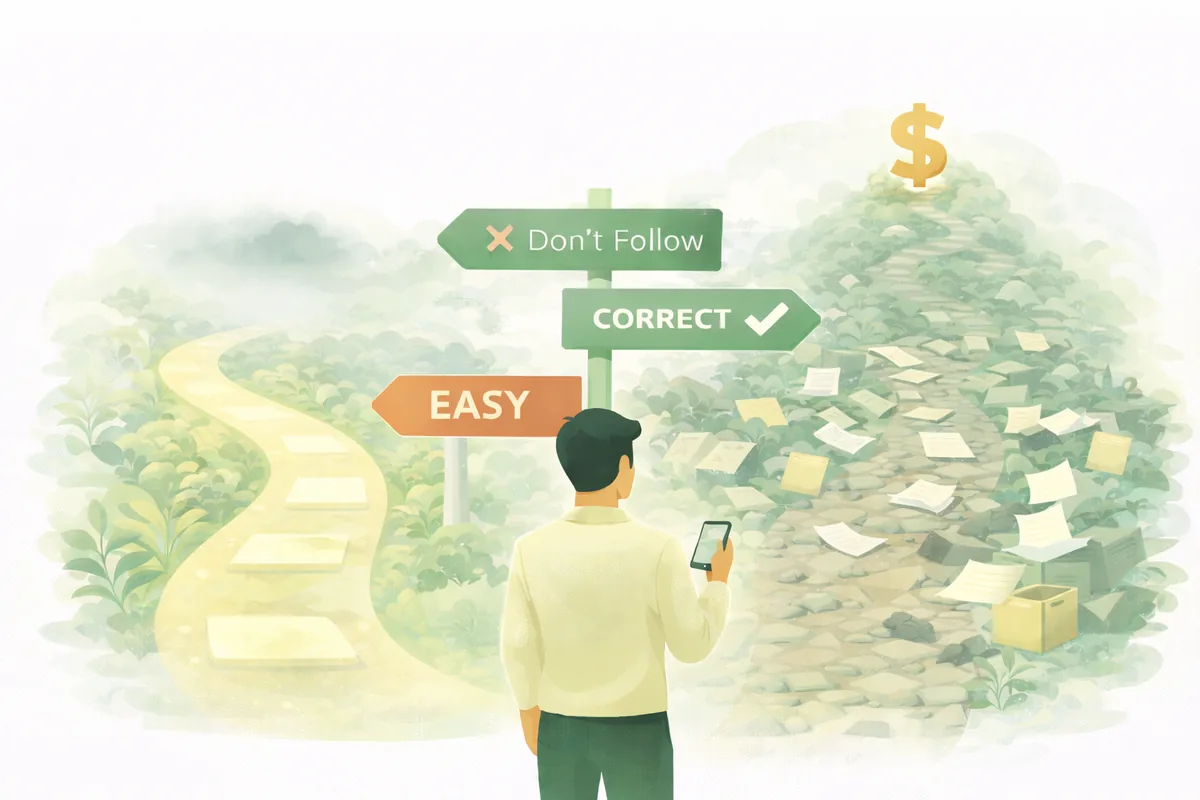
Manual onboarding processes don't just create delays - they create risk. When the criteria for a decision live in someone's head, and the implementation depends on a ticket being raised correctly and acted on by a separate team, two things happen: the process is slow, and it has no guardrails.
A misrouted ticket, an undocumented exception, someone interpreting the criteria differently - any of these can result in a customer's product experience changing without the right approvals in place. By the time it surfaces, the damage is done.
The root cause is almost always the same: the decision logic and the implementation step are disconnected, with a human coordination layer in between that's too easy to bypass or get wrong.
How we approached this
A large logistics company operated an SME-oriented shipping product with access gated behind a qualification process. The criteria were loosely defined, the review was manual - involving past shipment history, master data checks, and human judgment - and the implementation required raising a ticket to a separate identity management team who had no visibility into whether the approval was legitimate.
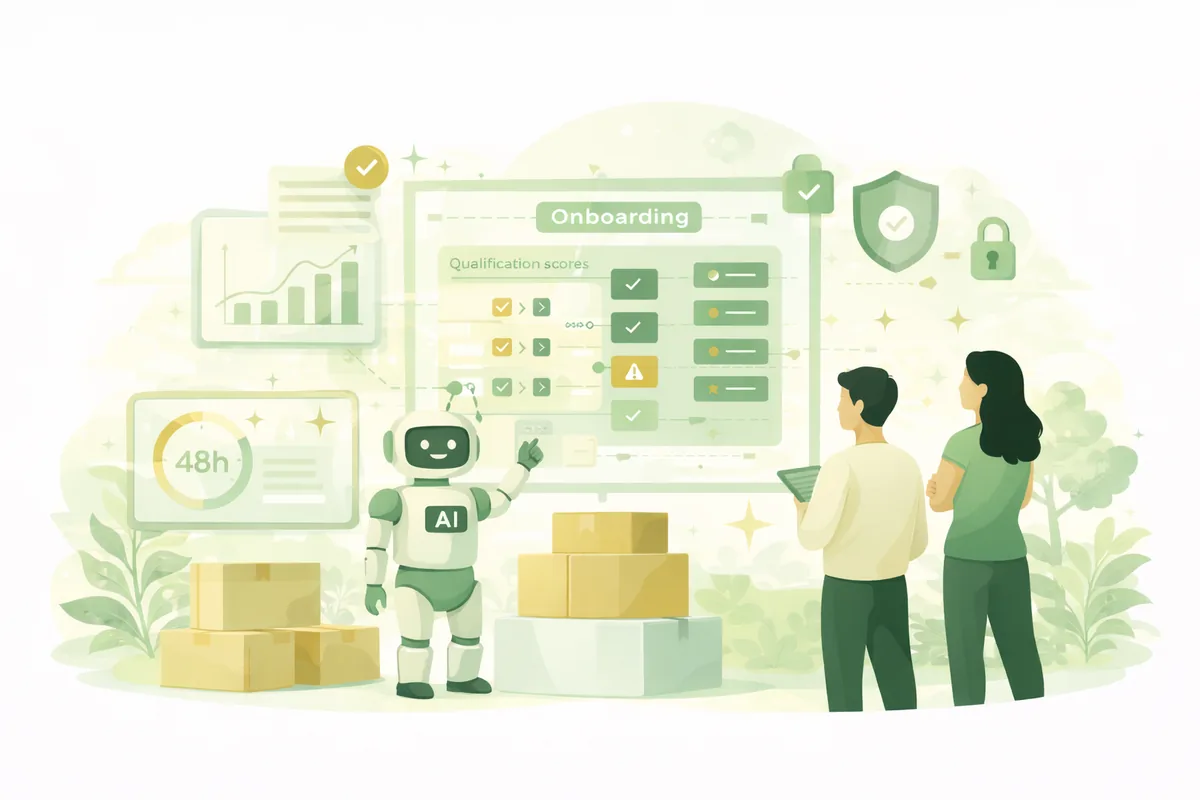
We rebuilt this end to end. Qualification scores were pre-computed across the full customer base using Python and Databricks, so the decision was no longer made case by case in someone's inbox - it was already done. A Power Automate workflow routed candidates through a structured approval process, and approved changes were implemented via direct API call to the identity system rather than a ticket, and involved parties were notified automatically. The team that previously fielded and acted on tickets was replaced by a review queue for genuine exceptions.
95% of cases processed automatically. The remaining 5% - genuine edge cases - routed to a one-click human review with the full context already assembled. Average onboarding time down 48 hours. And the accidental-change problem eliminated entirely, because no change could happen without passing through the workflow.
What this looks like in practice
Onboarding automation varies significantly by company depending on what's being automated - the qualification decision, the provisioning step, the customer communication, or all of it. What's consistent is the starting point: mapping how the process actually works today, including where decisions happen informally and where implementation depends on manual handoffs between teams.
From there, a typical engagement involves formalising the decision logic, building the routing and approval workflow, integrating with the systems that need to act on the outcome (CRM, identity management, provisioning tools), and replacing the manual handoff points with structured, auditable steps.
The goal isn't to remove human judgment - it's to make sure human judgment is applied where it's actually needed, not consumed by routine cases that could be handled automatically.