
The problem
A contract is signed. Now what? In most businesses, customer onboarding is a sequence of steps that exists in someone's head, a shared checklist that's half-maintained, and a series of emails between teams who each have a slightly different version of the customer's requirements.
The result: onboarding takes longer than it should, steps get missed, customers have to chase for updates, and the experience varies depending on who's running it. For the customer, the first real impression of working with you is a process that feels improvised.
Our approach
We start by mapping the onboarding process as it actually works today — not as it's supposed to work. Often the first output is a list of things to remove or simplify, before any automation is considered.
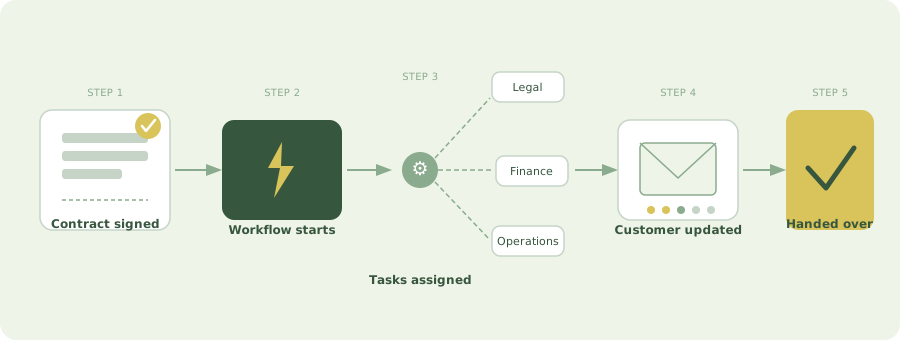
Once we have a clean process, we build an automated workflow around it:
- Trigger — a signed contract, a CRM stage update, or a form submission kicks off the workflow
- Task creation — generate the right tasks for each internal team (legal, finance, operations, IT) based on the customer type and what's been agreed
- Communication — send the customer timely, consistent updates as each milestone is reached — without someone having to remember to send them
- Data capture — collect the information you need from the customer through structured forms, so it arrives in the right format for the right system
- Handover — when onboarding is complete, trigger the handover to the ongoing account team with a clean summary of what was set up
The workflow doesn't replace the people managing the relationship — it removes the coordination overhead so they can focus on that relationship.
What this typically involves
- A process design session to agree on the target-state workflow
- Integration with your CRM, project management tool, and communication channels
- Conditional logic to handle different customer types or contract structures
- A customer-facing communication layer (email templates, status updates)
Outcomes
Onboarding time falls. Steps don't get missed. Customers receive consistent communication without anyone having to manually manage it. The team running onboarding can handle more accounts without adding headcount.
Part of our Process Automation work. See How We Work for engagement options.